property
Investors Are Back in Perth CBD, and They're Squeezing Out Everyone Else
A surge of returning property investors is tightening competition across central Perth, pushing up prices and shrinking the window for owner-occupiers to act.
How we reported this
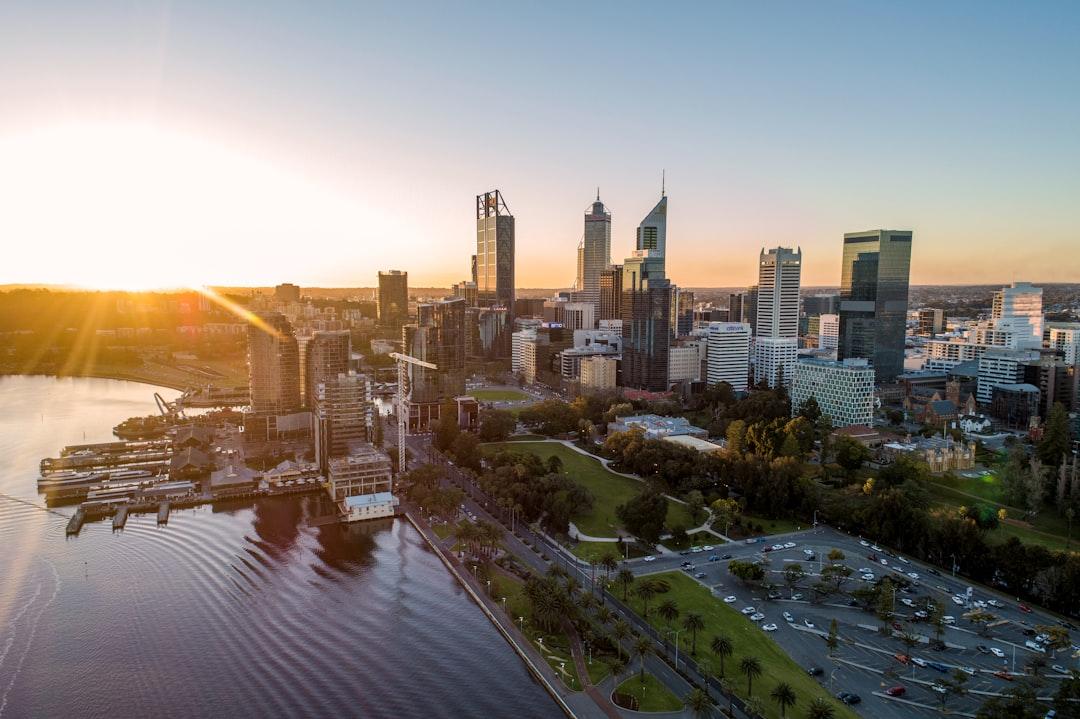
Investors have returned to the Perth CBD market in force this mid-winter, and the evidence is showing up in contract volumes, days-on-market figures, and the number of unconditional offers being logged at agencies along St Georges Terrace and Hay Street. After a period of relative restraint through late 2024 and into 2025, buyer profiles tracked by local agents show investment-driven purchases now account for a growing share of settled transactions in the inner city, and that shift is compressing the room available to everyone else.
The timing matters because Perth CBD's vacancy rate for residential apartments has been running at historically low levels. With construction pipelines slow to deliver finished stock, rental yields on inner-city apartments have remained attractive enough to pull capital back off the sidelines. For investors who exited the market during the interest rate peak, the calculus has changed: fixed financing costs have eased, yield spreads look more favourable, and the city centre's population density story continues to strengthen. That combination is driving re-entry at a pace agents describe as the most active since the first quarter of 2022.
Where the Heat Is Concentrated
The effect is most visible in the lower-to-mid price bands, specifically, one- and two-bedroom apartments priced between $450,000 and $680,000. That bracket, which once gave owner-occupiers a realistic foothold in the city centre, is now seeing multiple-offer scenarios on properties that would have sat for three or four weeks just eighteen months ago. The stretch along Murray Street near the Yagan Square precinct, and the towers clustered around the Elizabeth Quay development on The Esplanade, are generating the heaviest inquiry from investor buyers.
REIWA, the Real Estate Institute of Western Australia, has flagged the inner-city apartment segment as one of the state's strongest performers by median price growth over the year to May 2026, with the Perth CBD local government area recording a median apartment price of approximately $562,000 as of the most recent quarterly data. Days on market for CBD apartments dropped to around 14 days in the June 2026 quarter, down from 26 days in the same period in 2024. Those numbers reflect a market that is moving faster than buyers can comfortably conduct due diligence.
The Propell National Valuers office in West Perth has been fielding increased valuation requests from lenders processing investor loan applications, a downstream sign that the wave is real and not just anecdotal. Settlement agents along Barrack Street report a noticeable uptick in investor-named purchasers on contract documents over the past eight weeks.
What Owner-Occupiers Are Up Against
For anyone buying to live in rather than rent out, the investor re-entry creates a specific problem: investors frequently waive conditions. They move faster, often hold pre-approved finance, and are less emotionally attached to any single property. An owner-occupier who needs a building inspection and a finance clause is structurally disadvantaged against a cashed-up buyer making an unconditional offer at a comparable or slightly higher price.
The practical read for anyone looking to purchase in the CBD right now is to get finance formally approved, not just pre-qualified, before inspecting properties. Buyers targeting the Northbridge end of the CBD, particularly around James Street and the Cultural Centre precinct, should note that competition there is slightly less intense than at Elizabeth Quay, and the development pipeline for that pocket is thinner, which historically supports price stability rather than speculative spikes.
New apartment projects scheduled for completion in the CBD are not expected to add significant volume until late 2027 at the earliest. That gap means the current supply-demand imbalance is not resolving itself quickly. Investors understand this arithmetic. Owner-occupiers and first-time buyers who are weighing whether to wait for conditions to cool should factor in that the forces driving this cycle, tight rental supply, improved financing conditions, and strong economic activity in the inner city, are unlikely to reverse before that new stock arrives. Moving deliberately, but moving soon, is the more defensible position.
This article is general information only and is not personal financial or investment advice. Consider your own circumstances and seek licensed professional advice before making financial decisions.