wellness
Perth CBD Workers Battle Dehydration Crisis During Dry, Hot Months
With winter temperatures deceiving and the city's low humidity quietly pulling moisture from your body all day, hydration is the wellness habit most CBD residents are getting wrong.
How we reported this
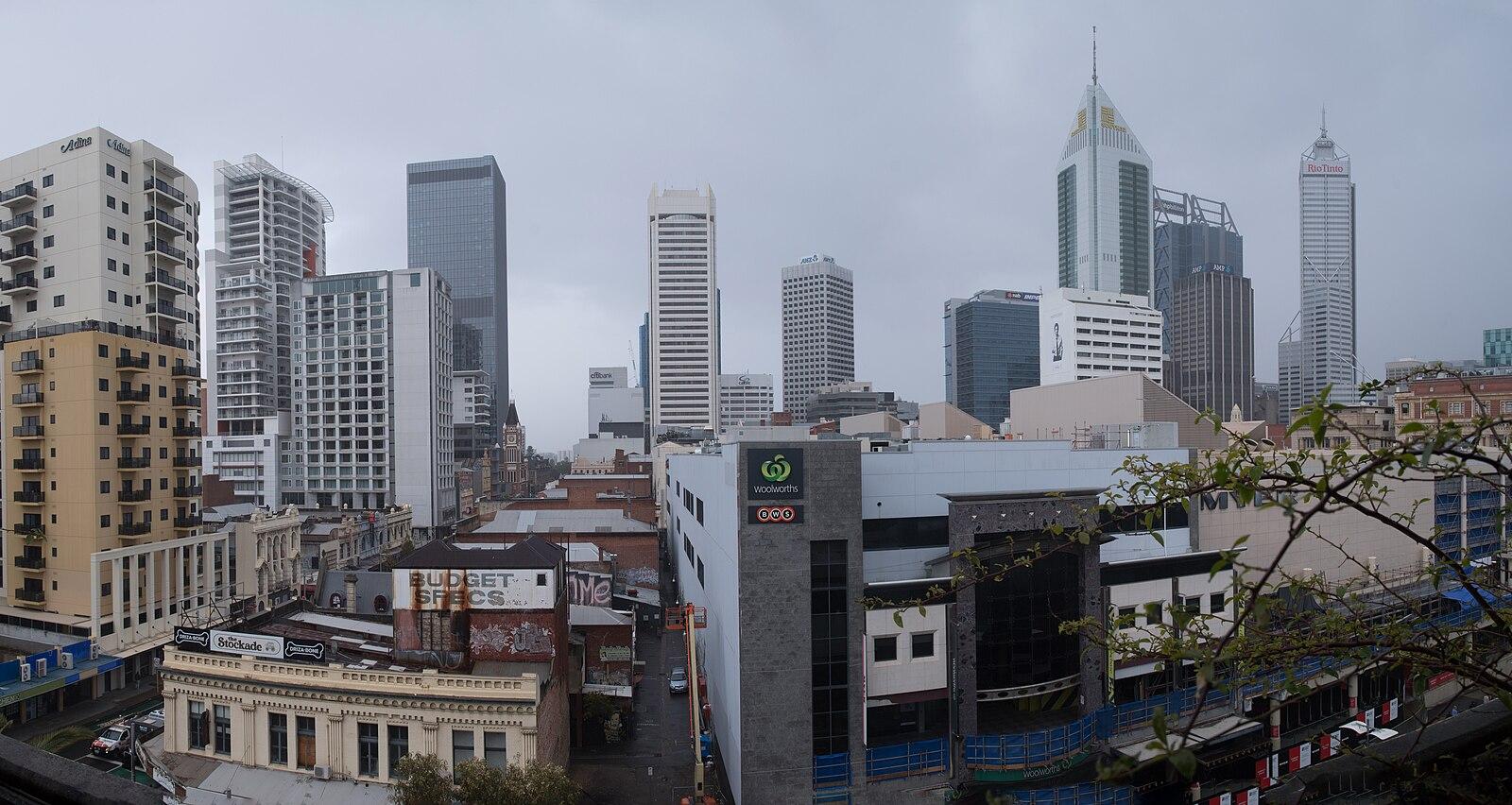
Perth CBD's winter is a trap. Temperatures along St Georges Terrace dropped to 8°C last Tuesday morning, yet the relative humidity sat below 40% for most of the working day, a combination that tricks the body into thinking it doesn't need water while quietly accelerating fluid loss through respiration and skin. Dietitians working out of practices on Murray Street and wellness clinics near Yagan Square are seeing the same pattern: clients arriving dehydrated without realising it.
The timing matters. July is the month when CBD workers, many of them walking between offices on William Street and the Elizabeth Quay ferry terminal, underestimate how much fluid they're burning. Cooler air suppresses the thirst reflex. You don't sweat visibly. You feel fine, right up until you don't, and the symptoms, ranging from afternoon headaches to poor concentration, are easy to blame on a bad coffee or a long meeting rather than the actual culprit.
How much is actually enough?
The National Health and Medical Research Council's reference values, last updated in 2017, set adequate daily water intake at 2.6 litres for adult men and 2.1 litres for adult women, and those figures account for water from food as well as drinks. What they don't fully account for is a low-humidity environment where respiratory water loss runs higher than in more coastal or humid climates. A person walking 20 minutes from the Northbridge end of the CBD down to Barrack Street Jetty and back at lunchtime is losing more fluid than the same walk would cost them in a humid European city in July.
Plain water remains the benchmark. Sports drinks carry between 21g and 27g of sugar per 500ml bottle, fine for endurance athletes, largely unnecessary for someone covering CBD footpaths. Coconut water, increasingly stocked at the Central Park food court on St Georges Terrace, offers around 600mg of potassium per 330ml and virtually no added sugar, making it a reasonable mid-afternoon option. Herbal teas count toward daily intake. Standard black coffee, despite the persistent myth, also contributes net fluid, research published in the journal PLOS ONE in 2014 confirmed that moderate caffeine consumption does not produce meaningful dehydration in habitual coffee drinkers. That said, four long blacks before noon is still not a hydration strategy.
The Provisions café on King Street, popular with the post-9am fitness crowd from nearby gyms, has stocked chilled electrolyte sachets since early June, a small but telling signal of where local consumer interest is pointing. At around $3.50 per sachet, they're not cheap, but they dissolve into a 500ml bottle and add sodium, magnesium and potassium without the sugar load of a sports drink. For anyone finishing a Barry's-style interval class or a lunchtime reformer Pilates session in the CBD and stepping back into a drying westerly, that kind of replacement makes physiological sense.
Reading the signals your body sends
Urine colour is still the most reliable free diagnostic tool available. Pale straw, not clear, not dark amber, is the target. Clear urine can indicate overhydration, which, while less common, carries its own risks including sodium dilution. Dark urine by 2pm on a workday is a concrete signal to drink 500ml immediately and reassess the morning's intake.
The Perth CBD Active Living Program, run through the City of Perth and centred on facilities near Heirisson Island and the foreshore path network, recommends participants carry a minimum 750ml bottle for any session running longer than 45 minutes in winter, not because of heat, but because the dry air and exertion combination is enough to create a meaningful deficit. That advice applies equally to anyone power-walking the Esplanade or cycling the Mounts Bay Road shared path before work.
The practical floor: drink 500ml of water within 30 minutes of waking, before caffeine. Carry a refillable 1-litre bottle, Kmart on Murray Street stocks BPA-free options from $8, and aim to empty it twice before 5pm. Add an electrolyte source once a day if you've exercised or spent time outdoors. Consult a dietitian or GP at a local practice if chronic fatigue or headaches persist; dehydration can mask or mimic other conditions that warrant proper assessment.