wellness
How Temperature, Light and Noise Are Quietly Wrecking Your Sleep
Perth CBD's unique urban environment, blazing winter sun, late-night hospitality strips and the hum of the Freeway, creates a perfect storm of sleep disruptors that most residents have never thought to address.
How we reported this
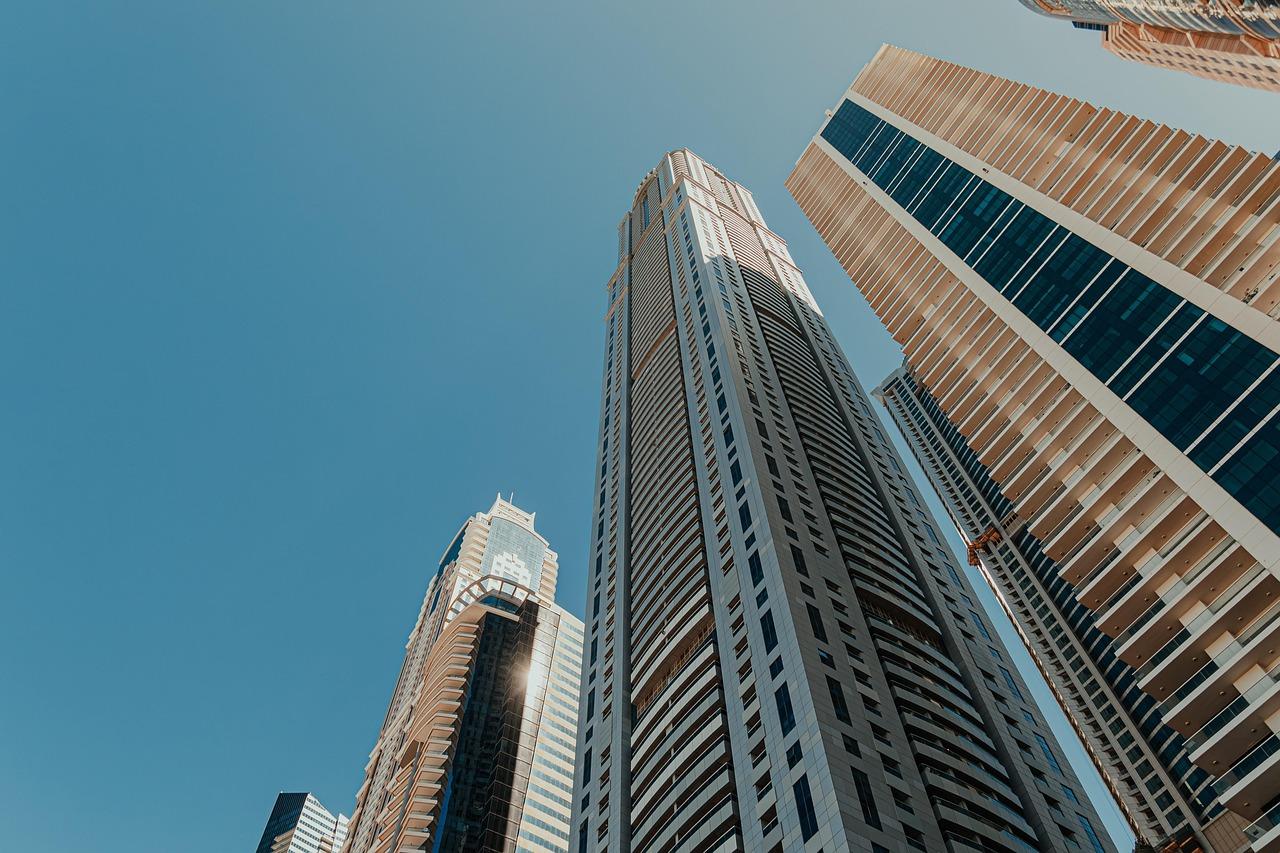
The bedroom might feel quiet enough at midnight on St Georges Terrace, but the body registers something different. Sleep researchers consistently identify three environmental factors, ambient temperature, artificial light and noise, as the primary reasons otherwise healthy adults spend their nights staring at ceilings. For Perth CBD residents, all three arrive in unusually potent combinations, even in the middle of winter.
The timing matters. July in the CBD sits at the intersection of long evenings and notoriously variable overnight temperatures, which can swing between 8°C and 18°C within the same week. That volatility is not just uncomfortable, it actively disrupts the body's core temperature drop, a process that must begin roughly 90 minutes before sleep onset to trigger meaningful rest. When the bedroom stays too warm or shifts temperature unpredictably overnight, that process stalls.
The Light Problem No One Talks About
Northbridge's entertainment precinct runs hard until 3am on weekends, and the neon wash from William Street and James Street bleeds into apartments within a 400-metre radius. Blue-spectrum light from LED signage suppresses melatonin production, the hormone that cues drowsiness, even when it enters a room at low levels through curtain gaps. A 2023 study published in the journal JAMA Internal Medicine found that adults sleeping in rooms with moderate light exposure had significantly higher rates of insulin resistance and cardiovascular activation overnight compared with those in near-total darkness. The study did not measure Perth specifically, but the mechanism is universal.
Perth CBD's own street-lighting upgrade program, completed along Hay Street Mall in late 2024, replaced sodium-vapour lamps with cool-white LEDs, more energy-efficient, but higher in the blue-spectrum wavelengths that interfere with sleep biology. Residents in buildings directly above the mall have anecdotally raised the issue with the City of Perth's noise and amenity complaint line, though formal environmental assessments of residential light pollution in the CBD remain limited.
Noise compounds the problem. The Mitchell Freeway interchange at the northern end of the CBD generates a low, persistent road-traffic hum that acoustic consultants typically measure at 45-52 decibels inside poorly sealed apartments, right at the threshold where sleep architecture begins to fragment. The World Health Organisation's Environmental Noise Guidelines set a recommended limit of 40 decibels inside sleeping environments at night. Construction activity on the Yagan Square precinct and ongoing works near the Elizabeth Quay foreshore have added percussive noise events to that baseline, particularly between 10pm and midnight during extended project schedules.
What You Can Actually Do About It
The good news is that all three disruptors are addressable without renovation. Sleep health practitioners at the Perth CBD clinic Sleephub, located on Mounts Bay Road, recommend a room temperature target of between 16°C and 19°C for adults, achievable with a programmable split-system set to drop two degrees before bedtime rather than relying on overnight ambient air. A basic mechanical timer costs under $30 at most hardware retailers on Wellington Street.
For light, blackout liners rather than full blackout curtains offer a cheaper retrofit option. Most fabric stores in the CBD precinct, including outlets on Murray Street, stock clip-on blackout lining from around $12 per metre. The goal is not aesthetic, it is functional. Eliminating the street-light stripe across a pillow can shift sleep onset by 20 minutes, according to data compiled by the Sleep Health Foundation, an Australian not-for-profit that publishes guidance applicable across urban environments.
Noise is the hardest to control without structural intervention. Foam earplugs reduce exposure by 25-33 decibels, enough to bring a 50-decibel environment inside the WHO guideline, but many sleepers find them uncomfortable. A white-noise machine, set to around 50 decibels itself, masks traffic spikes more effectively than silence does, because it eliminates the contrast between quiet and sudden sound that triggers micro-arousals.
The Sleep Health Foundation's website at sleephealthfoundation.org.au carries a self-assessment tool updated in early 2026. For anyone whose disruption feels persistent or involves daytime fatigue, a GP referral for a sleep study through Sir Charles Gairdner Hospital's sleep medicine unit remains the appropriate next step. Environmental fixes help, but they are not a substitute for clinical assessment when the problem runs deeper than a noisy street.